Four steps for hotels and attractions to build a strategy around real guest problems, not operational metrics.
There is a persistent disconnect between what venues prioritize and what guests actually need. Research from Medallia found that 61% of hospitality and retail consumers are willing to spend more with companies that offer personalized experiences, yet many strategies still optimize for operational convenience rather than genuine guest satisfaction.
What is a guest experience strategy?
A guest experience strategy systematically designs every interaction between your venue and guests, mapping the complete journey from discovery through post-visit memories. Rather than focusing on operational convenience, effective strategies prioritize guest behavior patterns and answer a single question: how can we make this experience feel effortless and memorable?
For hotels, this means addressing specific anxieties like wifi reliability. For attractions, it involves recognizing that families make numerous micro-decisions throughout visits and providing confidence-building information.
Why guest experience strategy matters for revenue and retention
Strategic guest experience design directly impacts revenue through higher repeat visits, increased per-guest spending, and stronger word-of-mouth recommendations.
For attractions specifically, well-designed experiences extend visit duration as families confidently explore more areas, boost secondary spending as guests discover overlooked amenities, and increase return visits through positive recommendations.
Research from Review Trackers indicates that 48% of consumers will write a review after a negative experience, while positive experiences generate equally powerful word-of-mouth effects that build the online reputation driving future bookings.
According to Hotel Tech Report's 2025 State of Guest Technology study, 46% of hoteliers believe that guest experience technology will evolve more than any other category over the next five years, indicating significant competitive advantages await venues investing strategically now.
Step 1: Map guest decision moments, not demographics
Focus on when guests need help, not who they are.
Advanced strategy asks when guests need help and how they naturally seek it, rather than relying on traditional demographic analysis.
Business travelers don't simply need business amenities — they need rapid wifi after delayed flights and flexible dining for unexpected schedule changes.
Families visiting attractions don't need family-friendly features — they need food options near exhibits and clear information about shortest routes during challenging moments.
The most important thing is much simpler: what problem are they trying to solve right now?
According to Takashi Nakaguchi, Nutmeg co-founder and CEO, that question should come before any technology decision.
| Guest problem | Traditional approach | Strategic solution | Technology example |
|---|---|---|---|
| Getting lost in large venues | Static maps and signage | Interactive wayfinding with real-time location | Smart maps with GPS tracking |
| Long wait times without information | Basic posted wait times | Dynamic wait management with alternatives | Real-time wait displays plus recommendations |
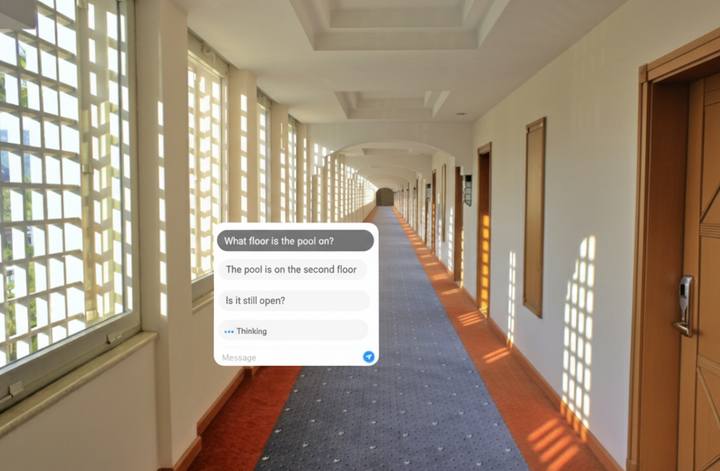
| Needing assistance after hours | Limited front desk hours | 24/7 automated support for routine questions | AI concierge services |
| Language barriers for international guests | Printed materials in multiple languages | Personalized digital experiences | Multi-language smart maps |
| Food ordering during peak times | Traditional ordering at counters | Pre-ordering with pickup notifications | Mobile food ordering systems |
| Finding age-appropriate activities | Generic recommendations | Personalized suggestions based on family profile | Location-triggered recommendations |
Step 2: Identify competitor experience gaps
Look for unmet needs, not feature comparisons.
Competitive analysis should examine how competitors handle common guest problems and identify gaps in solutions rather than comparing amenity lists.
Hotels can differentiate by providing information guests actually need — real-time restaurant availability, transportation timing with traffic updates, and local event information. Advanced solutions like AI concierges provide 24/7 assistance for routine questions, freeing human staff for complex requests.
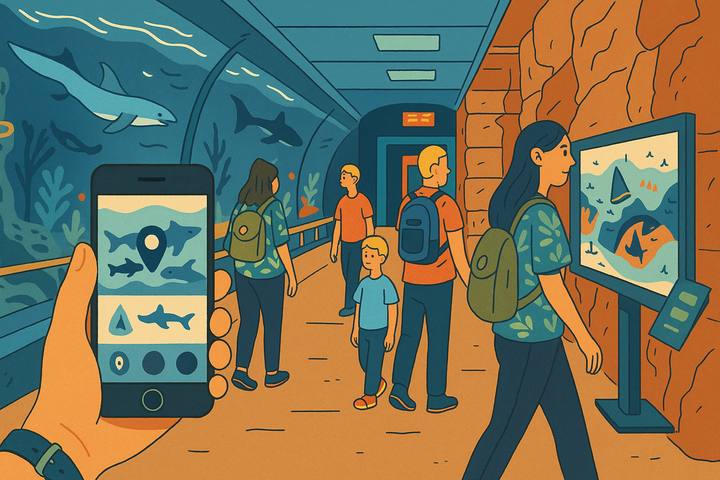
Attractions can advance beyond basic wayfinding by offering real-time wait times, personalized itinerary suggestions based on family composition, and location-triggered recommendations for nearby amenities. Smart maps show exact guest locations and provide intuitive navigation.
Step 3: Build on operational strengths that create guest value
Transform potential challenges into unique advantages.
Your unique value proposition should emerge from genuine operational capabilities solving real guest problems. The strongest propositions address issues competitors cannot or won't tackle.
Hotels with complex layouts can leverage intimate spaces by providing clear wayfinding highlighting quiet zones. Properties facing noise challenges can become destinations managing sound comfort proactively.
Museums housing extensive multi-floor collections can become destinations making discovery feel manageable rather than overwhelming, through smart wayfinding that suggests optimal routes based on visit duration and interests.
Step 4: Use technology that eliminates friction
Make the complex feel effortless.
The best guest experience technology disappears into usefulness, eliminating friction while preserving human connection where it adds genuine value.
Current research indicates that 70% of hotel guests find chatbots helpful for simple inquiries, freeing human staff for complex requests that benefit from personal attention.
Interactive wayfinding helps guests navigate independently, allowing staff to provide personalized recommendations rather than repetitive directions. Real-time ordering reduces wait times while enabling dietary customization kitchens can prepare proactively.
For attractions, smart maps with location tracking eliminate the navigation confusion that ruins many large-venue visits. Real-time wait displays help families optimize their entire visit flow.
How leading venues implement guest experience strategy
Hotels excelling in guest experience eliminate directional confusion through intuitive wayfinding and free staff for genuine assistance. Attractions creating memorable experiences use live information systems helping guests make confident decisions.
Nutmeg's smart mapping platform delivers real-time wayfinding that eliminates confusion, personalized recommendations that surface relevant experiences at optimal moments, and operational insights that reveal the guest behavior patterns informing staffing and space design decisions.